Scooter Safety for Parents and Children in Phu Quoc
Editorial team · Checked 5 November 2026
In short
Local sources report a maximum of two people per motorbike, with helmets required for every rider and passenger. Do not carry three people, and confirm the 2026 child-restraint rule before riding.
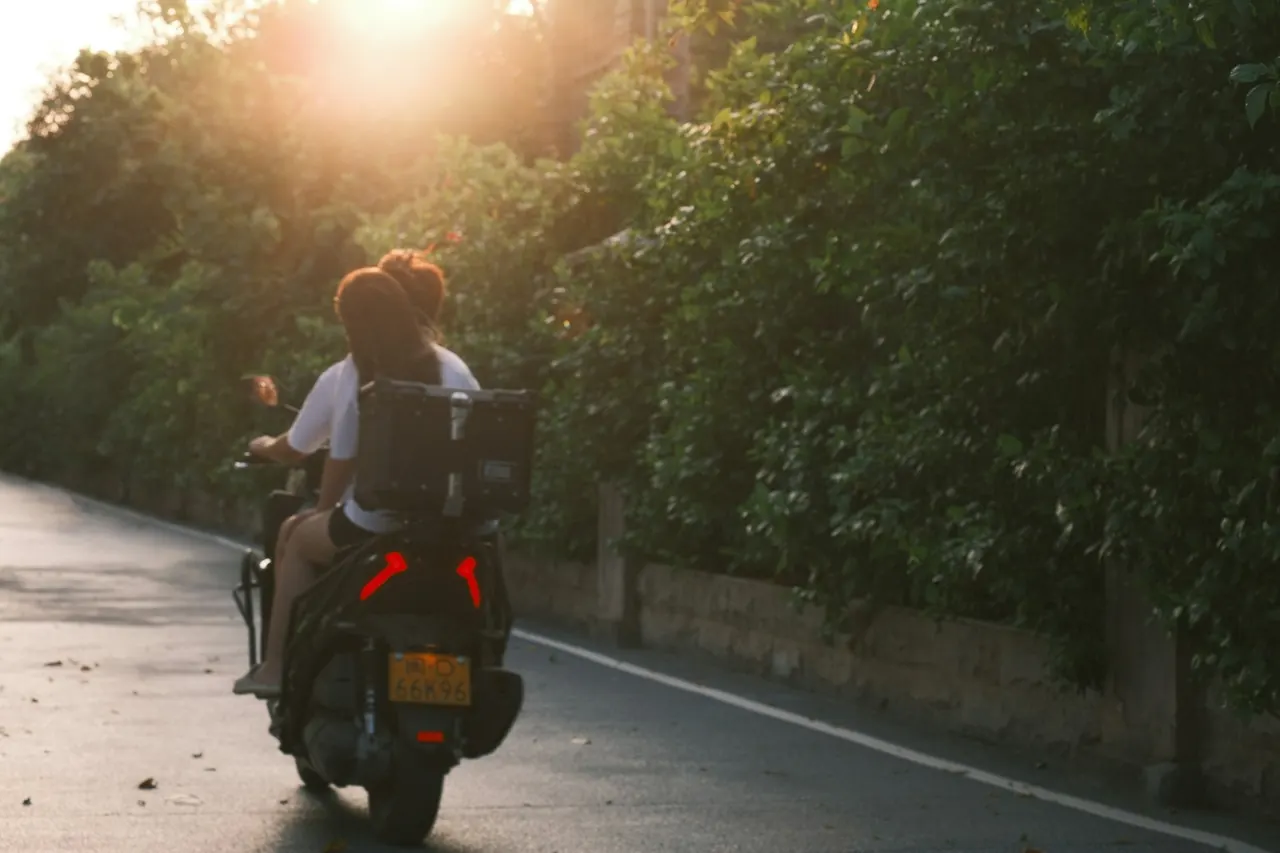
Travelling with a child does not make a scooter automatically suitable for your family. Local sources and rental operators report that a maximum of two people may ride one motorbike, so two adults and a child should not share one scooter. Every rider and passenger, including a child, needs a fastened helmet. For young children, confirm the reported 2026 restraint rule before you ride.
Can a child legally ride as a scooter passenger?
Local sources report that a child may ride as a passenger, but the reported limit of two people per motorbike still applies. This means one adult and one child can fit within the reported passenger limit, while two adults and one child cannot.
The current rules need extra care because a 2026 traffic update is reported to add an offence for carrying a young child without an appropriate restraint. The available guidance does not give every family situation the same answer. Confirm the current rule, the child’s age category and the acceptable restraint with a local operator or local officials before setting off.
Do not treat a child passenger as an extra seat. Never carry a child between two adults, on the front of the scooter or on the floorboard. Do not let a child steer, hold the handlebars or control the throttle. A tourist was fined by local officials in Phu Quoc after a video showed a child steering a motorbike.
Message us on WhatsApp before booking if you are unsure about your group size or a child-restraint requirement. We arrange rentals with local partners and confirm the exact vehicle and current requirements in the chat before you pay.
How should a child sit on a scooter?
The child should sit behind the adult rider, facing forward, with both feet supported on the passenger footrests. The child should be able to sit upright without sliding sideways, leaning out or reaching the controls.
Use this checklist before leaving:
- The child sits behind the rider, not in front.
- Both child’s feet reach the passenger footrests.
- The child can hold the rider securely or use suitable passenger grips.
- The child wears clothing that cannot catch in the wheel or drive parts.
- The rider can keep both hands on the handlebars and control the scooter smoothly.
- Bags, beach equipment and loose straps are secured away from the wheels.
- The child understands not to move suddenly when the scooter turns or stops.
A child who is too small to reach the footrests, stay seated or hold on safely should not travel on a scooter. An adult’s arm around a child is not a substitute for stable seating or an appropriate restraint.
Before accepting a rental, sit on the scooter with the child while stationary. Check the position of the footrests, the passenger grab points and the space behind the rider. If the child cannot settle into that position comfortably, choose a car instead.
What helmets do children need?
Helmets are reported as mandatory for the rider and every passenger on every road in Vietnam. Children ride helmeted too. The helmet should fit the child’s head, sit level and remain fastened under the chin throughout the trip.
Prepare a separate helmet for the child rather than sharing an adult helmet that moves around. Ask the local operator to show you the available child helmet before you accept the scooter. Check the strap, shell and visor, and replace any helmet that is cracked, loose or difficult to fasten.
The helmet rule applies even for a short journey to a beach or a nearby hotel. Do not remove it while moving, and do not allow the child to ride with the strap loose. A helmet cannot prevent every injury, but riding without one adds an avoidable risk and may breach the current requirement.
For a fuller explanation of reported helmet and passenger rules, read Helmet, Age, Height and Weight Rules for Scooters.
Which roads and conditions should families avoid?
Families should avoid riding after dark, in rain and on unlit dirt tracks away from the main highways. Local safety guidance says some island roads are rough, and scooter accidents are the number-one danger on Phu Quoc.
The open road toward Ganh Dau can be a longer ride for a child. A route to Suoi Tranh waterfall may also involve more time on the scooter than a quick local trip. Consider the child’s ability to sit still, the weather and the road surface before choosing either destination.
Stop riding if rain starts, visibility drops or the child becomes tired. Wet surfaces, loose gravel and poor lighting make it harder to brake and steer smoothly. Do not continue simply because the destination is close.
Avoid alcohol completely before riding. Local island guidance describes the drink-drive limit as effectively zero. The adult rider needs full attention for traffic, bends, road damage and sudden stops.
What type of scooter is suitable for two-up riding?
A comfortable automatic scooter is generally simpler for family riding than a manual bike. Local guidance describes 110 to 160cc automatic scooters as suitable for Phu Quoc, where comfort matters more than power.
Lighter 110 to 125cc automatics can suit beginners and short hops. Slightly larger 150 to 160cc automatics add comfort and stability for two-up riding and longer loops, including trips toward Ganh Dau or Suoi Tranh waterfall. The right choice is the scooter the adult can control confidently with a passenger, not the largest model available.
Check the following before leaving:
| Check | What to look for |
|---|---|
| Seating | A stable passenger seat with enough room for the child |
| Footrests | Passenger footrests that support both feet securely |
| Controls | Smooth throttle, reliable brakes and easy steering |
| Helmets | A fastened helmet for the rider and child |
| Condition | Tyres, lights, mirrors and indicators working correctly |
| Comfort | A position the child can maintain without shifting around |
Read Automatic Scooter or Manual Bike for Phu Quoc if you are choosing between bike types. If the scooter feels heavy, tall or difficult to balance with a passenger, do not take it onto the road.
When is another transport option safer?
A car with a driver is the safer choice for tour days, rough-road routes, rain, night travel and journeys where the child may become tired. Local family transport guidance specifically advises couples with a child to skip the scooter in these situations.
A car also avoids the problem of carrying luggage, beach equipment or a tired child on a small passenger seat. For shorter trips, a Grab car to the nearest beach may be more practical than arranging helmets and a scooter.
Choose another option if:
- The child cannot reach the footrests.
- The child will not keep a helmet fastened.
- You need to carry two adults and one child.
- The weather is wet or visibility is poor.
- The route uses rough or unlit roads.
- The adult rider lacks confidence with a passenger.
- The child is tired, unwell or likely to move suddenly.
- The current restraint requirement is unclear.
Do not feel obliged to use a scooter for every island trip. A car with a driver can leave the family more relaxed, especially when the route includes several stops or a full day on the road. See Alternatives to Renting a Scooter in Phu Quoc for other ways to plan your transport.
What should parents confirm before booking?
Ask for the exact scooter type, passenger seating, available child helmet and any current child-restraint requirement. Confirm the proposed route too, especially if you plan to travel toward Ganh Dau, Suoi Tranh waterfall or roads away from the main highways.
Message us on WhatsApp with the number of adults, the number and approximate size of children, your intended route and your travel conditions. We arrange the booking with local partners and confirm the current safety details in the chat before you pay.
Frequently asked questions
Can two adults and a child ride one scooter in Phu Quoc?
Does my child need a helmet on a scooter?
Where should a child sit on a scooter?
Which Phu Quoc roads should families avoid?
Is an automatic scooter safer for carrying a child?
When should a family choose a car instead of a scooter?
Read next
-
 Guides
Scooter Helmet, Age, Height and Weight Rules
Operators and local sources report helmets for both riders and a minimum rental age of 18. Check your reach, load and passenger setup, and choose a larger bike for difficult routes.
Read → -
 Guides
Automatic Scooter or Manual Bike for Phu Quoc
Choose an automatic scooter for the easiest riding, comfortable island routes and most beginners. A typical automatic rental guide range is USD 5 to 10 per vehicle.
Read → -
 Guides
Alternatives to Renting a Scooter in Phu Quoc
Buses are the lowest-cost shared option when a route fits. Use ride-hailing or a private car for longer trips, and walk or cycle locally. An automatic scooter guide range is USD 5-10 per vehicle.
Read →