Riding a Scooter Safely in Phu Quoc Rain
Editorial team · Checked 5 November 2026
In short
Afternoon showers can arrive quickly from May to October. Slow down, leave much more stopping space, wear rain gear, and wait under a roof during heavy rain.
Rain does not automatically make every scooter trip unsafe, but heavy rain, poor visibility, flooding, loose sand, potholes, and unfamiliar rural roads can quickly turn a short ride into a dangerous one. Slow down, leave much more stopping space, wear a helmet and rain gear, and wait under a roof when the downpour becomes too strong.
Phu Quoc’s rainy season typically runs from May to October. Showers often arrive in the afternoon or evening and may clear within one to three hours. From around May to November, tropical downpours can also appear within minutes, so a dry start does not guarantee a dry ride.
Are afternoon showers a serious risk for scooter riders?
Yes, especially when a short shower becomes a sudden downpour and catches you far from shelter.
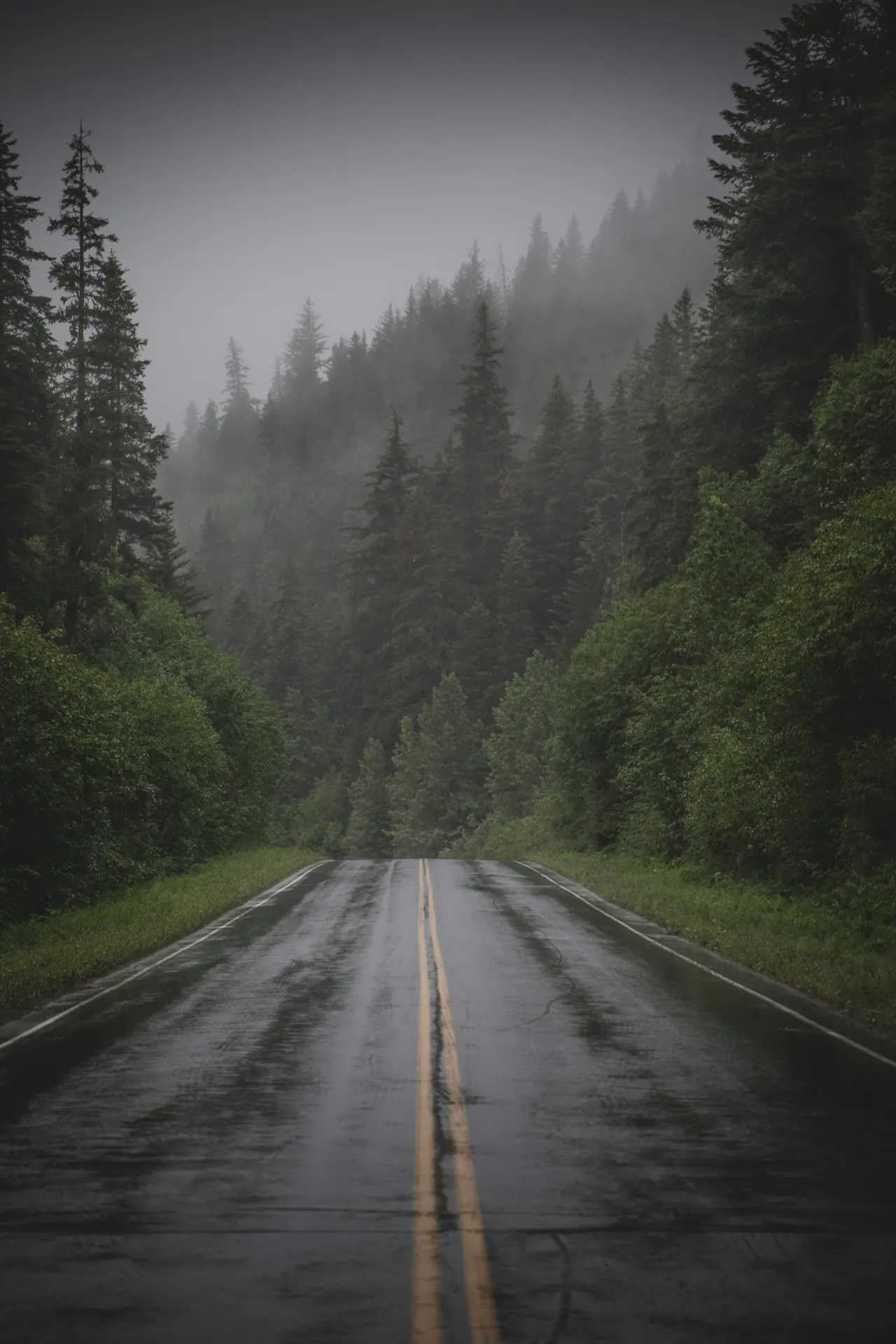
An afternoon shower can change road conditions quickly. The first rain lifts oil, dust, and sand on the surface, while heavier rain reduces tire grip and visibility. Water can also hide potholes and uneven sections of road. A route that felt easy in dry weather may require much slower riding after rain begins.
Check the sky before leaving and keep a roof or other safe stopping place in mind. Do not wait until visibility has almost disappeared to look for shelter. If the rain becomes a wall of water, pull under a roof and wait it out. Heavy showers usually pass within the hour, although conditions can vary.
Rain can also disrupt other island plans. Rough seas during the rainy season may affect the four-island canoe tour, so avoid making a scooter ride your only plan for the day. For other activities when riding is unsafe, see what to do in Phu Quoc on a rainy day.
How should you stop on a wet road?
Wet-road stopping distance is longer because your tires have less grip, so slow down early and leave a much larger gap from traffic ahead.
Do not wait until the last moment to brake. Reduce speed before bends, junctions, puddles, and downhill sections. Use smooth braking and avoid sudden steering while braking. Painted road markings, metal covers, sand, and standing water can all make the scooter less stable.
Potholes are harder to see through rain. Water may collect in a depression or cover loose material. If you cannot judge the road surface, slow down further or stop somewhere safe rather than riding through at normal speed.
A wet road is not the only hazard. Loose sand near roads and beach access points can cause the front wheel to move unexpectedly. Keep the scooter upright, avoid sharp turns across sandy patches, and do not accelerate hard when the surface feels slippery.
The safest response is to create more time and space. Do not copy the speed of another rider who may know the road better. If conditions continue to worsen, turn back or wait under cover.
What rain gear and visibility do you need?
Wear a helmet on every ride, and use waterproof clothing that keeps rain off your body and does not restrict your movement.
A suitable rain layer can include:
| Item | Why it matters in rain |
|---|---|
| Helmet | Protects your head and helps keep rain off your face |
| Waterproof jacket or poncho | Reduces cold, distraction, and soaked clothing |
| Long trousers | Gives better protection from rain and road spray |
| Closed shoes | Help protect your feet and give more secure control |
| Clear visor or glasses | Helps you see through spray and rain |
| Visible clothing | Makes it easier for other road users to notice you |
Visibility works in both directions. You need to see road edges, potholes, sand, and other vehicles, while drivers and riders need to see you. Keep the visor, mirrors, and lights as clear and usable as possible. If water is running across your view, pull over under a roof.
Do not assume that turning on lights makes a dangerous ride safe. Reduced visibility, wet surfaces, and traffic can still make steering and braking difficult. If you cannot see the road clearly, postpone the trip.
Before leaving, check the scooter’s brakes, tires, lights, mirrors, and fuel level. If a mirror is loose, a light is not working, or the tires look worn, ask the local operator to correct the problem before you ride.
When should you postpone a scooter ride?
Postpone the ride when rain is heavy, visibility is poor, water is crossing the road, or you would need to use an unfamiliar rural route.
Avoid riding during heavy rain, particularly on roads you do not know. Rural routes may have sand, potholes, unsealed sections, and limited lighting. In poor weather, these problems are harder to see and harder to avoid.
Do not ride after dark in the rain. Roads away from the main highways may be unlit dirt tracks, and rain makes their surface and edges even more difficult to judge. A route that is manageable in daylight can become unsafe when you cannot see potholes, puddles, or road users in time.
Postpone the trip if you are already tired, carrying luggage that affects balance, or wearing clothing that limits movement. Rain increases the concentration required for every turn, stop, and surface change. Waiting is safer than trying to finish a planned route in worsening conditions.
If you must travel during heavy rain, limit the journey to what is necessary, choose the most familiar suitable road, ride slowly, and stop as soon as visibility becomes poor. The better option is normally to wait for the shower to pass.
For riders who are still deciding if island traffic is suitable, read our guide for first-time scooter riders in Phu Quoc.
How can you deal with flooding and slippery roads?
Never treat floodwater as a normal puddle. It may hide a pothole, loose sand, a damaged road edge, or a deeper section than it appears.
If water is collecting across the road, stop before entering it and look for a safe alternative. Do not follow another scooter through water just because that rider continued. You cannot see what is underneath, and a scooter can lose balance when the front wheel meets an uneven surface.
Road edges can be especially risky after rain. Water may wash sand or soil onto the pavement, while the edge itself may be soft or broken. Keep away from loose material and avoid sudden changes between wet pavement and a sandy shoulder.
Slippery surfaces also include painted markings, metal covers, leaves, and muddy sections. Approach them upright and slowly. Avoid sudden braking, acceleration, or steering while crossing. If the surface looks too uncertain, stop and wait rather than guessing.
Heavy rain can also make a familiar road feel unfamiliar. Signs, landmarks, and junctions are harder to see through spray. If you miss a turn, do not make a sudden U-turn on a wet road. Continue only to a safe place where you can stop and check the route.
What documents should you check before renting?
Operators and local sources report that riders need the appropriate driving licence and authorization under Vietnamese regulations. Confirm the current rule on WhatsApp or on the beach before accepting a scooter.
Riding without the correct documents may lead to fines, vehicle seizure, and problems with insurance coverage. Do not assume that a home-country licence is automatically enough, and do not rely on another person’s documents.
Ask the local operator what documents are required for your situation before you ride. Keep the relevant documents with you, and make sure the person renting the scooter understands who will ride it. If you are unsure, message us on WhatsApp and we can arrange the booking with a local partner and confirm the current requirement before you pay.
What should you do next?
Check the weather and your route before leaving, inspect the scooter, and plan where you can shelter. If a downpour starts, slow down early and stop under a roof instead of trying to outrun it.
For a wider choice of transport in changing weather, compare petrol and electric scooters in Phu Quoc. If you decide to ride, message us on WhatsApp for booking help with a local partner.
Frequently asked questions
Is it safe to ride a scooter in Phu Quoc rain?
Are Phu Quoc afternoon showers dangerous for scooter riders?
How much longer is scooter stopping distance on wet roads?
What rain gear should I wear on a scooter?
Should I postpone a scooter ride because of rain?
What should I check before riding in the rainy season?
Read next
- Guides
Phu Quoc Rainy Day Activities Without Riding
When rain reduces visibility or creates flooding, skip the scooter and choose indoor attractions, sheltered food stops or flexible plans. An automatic scooter guide range is USD 5 to 10, checked 5 November 2026.
Read → -
 Guides
Is Phu Quoc Safe for First-Time Scooter Riders?
Phu Quoc can suit an experienced, licensed rider in dry daylight, but beginners should practise away from traffic. Avoid heavy rain, darkness and rough rural roads. Automatic scooters guide range: USD 5 to 10.
Read → -
 Guides
Petrol Scooter or Electric Scooter in Phu Quoc
Choose an electric scooter for town, beach roads and normal day trips, with overnight charging. Choose petrol for long touring days, remote routes and a multi-day mountain loop.
Read →